Post Disclaimer
Disclaimer: This content is for educational purposes only, not medical advice. Always consult with a doctor before making significant changes to your diet, especially if you have pre-existing health conditions.
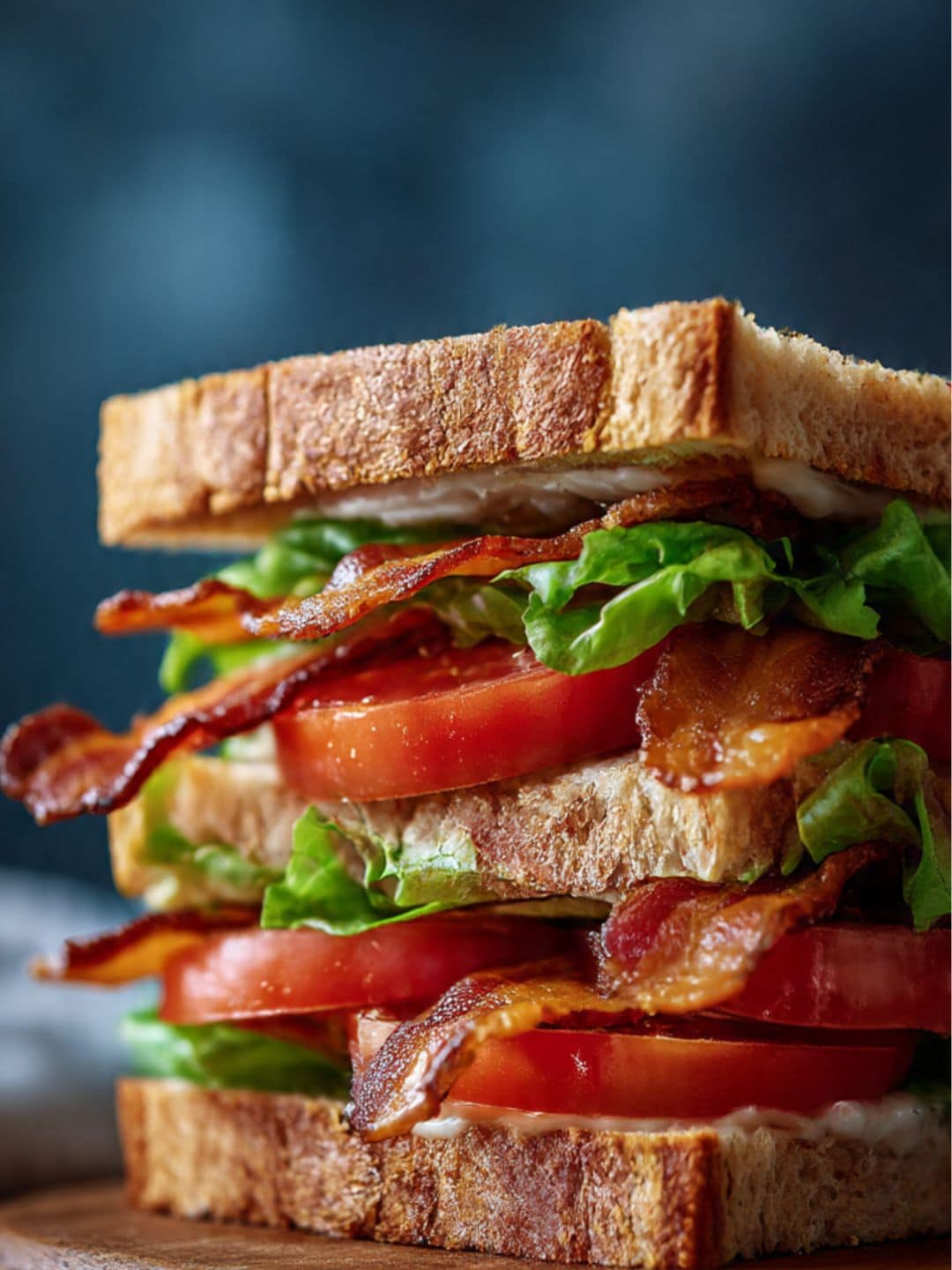
The BLT sandwich origin story is more than just bacon, lettuce, and tomato it’s a delicious slice of American food history. I remember the first BLT I ever made as a young mom, standing in my tiny kitchen with two toddlers tugging at my leggings. I’d run out of deli meat, had a few slices of bacon left from breakfast, some tomatoes starting to wrinkle on the counter, and crisp romaine that had to be used that day. Out of desperation (and a bit of magic), I made my first real BLT. And wow it wasn’t just good, it was game-changing.
That sandwich didn’t just save lunch; it became a staple. But where did it come from? Why is it still one of the most popular sandwiches in the U.S.? In this article, we’ll dive into the BLT’s mysterious beginnings, how it became a cultural icon, and why it still earns its place at the table.
Whether you’re here for food trivia, recipe inspiration, or just love a good kitchen story, you’re in the right place. Let’s explore the origin of the BLT sandwich and find out how such a simple creation came to represent so much.
Table of Contents
Key Takeaways: What You Need to Know
- The BLT didn’t start as a “recipe” it began as a practical sandwich people made with ingredients they already had.
- Its earliest roots go back to English tea sandwiches made with bacon and lettuce in the late 1800s.
- The sandwich became hugely popular after WWII, when bacon became cheaper and supermarkets more common.
- The name “BLT” started appearing in newspapers and diners in the 1950s, and the shorthand stuck.
- The BLT remains an American lunch classic because it’s simple, satisfying, and easy to customize.
The Story & Intro
When Did I First Fall in Love with the BLT?
The BLT sandwich origin story gets personal fast for moms like me. I didn’t grow up eating BLTs at fancy cafés or bustling diners. Mine started in a quiet Oregon kitchen, where I was just trying to make lunch that everyone would eat without complaints.
It was one of those “clean out the fridge” days. I had a few slices of leftover bacon, a tomato that was still firm enough to slice, and sandwich bread that needed to be used. I remember stacking it all up with a little mayo, hoping it would pass the toddler test.
Spoiler: it did. In fact, my husband asked for seconds, and my kids didn’t pick it apart (which, if you’re a mom, you know is a small miracle).
That moment sparked my curiosity. Why did something so simple hit all the right notes? Why had I never thought to make it before? And more importantly where did the BLT come from?
Where Did the BLT Come From?
Here’s the short answer for quick readers and featured snippet hunters:
The BLT sandwich originated as an evolution of English tea sandwiches, gaining major popularity in post-WWII America thanks to accessible bacon, better refrigeration, and fast food culture.
The long answer? It’s actually a bit of a mystery. There’s no single person credited with the invention of the BLT, but food historians agree it likely evolved from bacon sandwiches served with lettuce and tomato as garnishes in England during the Victorian era. These were dainty, crustless, and served at high tea.
But when the sandwich hit American diners in the early 20th century especially after World War II it exploded in popularity. Refrigerators became common, which meant tomatoes and lettuce stayed fresher longer. Bacon became cheaper and more widely available. The timing was perfect.
That’s when the sandwich we now call the BLT started popping up in diners, delis, and home kitchens across the U.S.
Why Did the BLT Catch On So Fast in America?
The post-war American kitchen was all about speed, simplicity, and satisfaction. The BLT hit all three.
Busy moms needed lunch ideas that used ingredients they already had just like me in that moment years ago. And the BLT delivered: crispy bacon for flavor, lettuce for crunch, tomato for juiciness, and soft bread to hold it all together. Throw in a swipe of mayo and maybe a pickle on the side, and boom lunch is done.
According to food scholars, by the 1950s and 60s, the term “BLT” was showing up in print recipes, cookbooks, and diner menus across America. That’s when the abbreviation stuck, too. “BLT” was easier to say, type, and print than the full name, especially for line cooks and short-order menus.
You can still see that simplicity mirrored today in menu items like this turkey club sandwich another layered lunch icon with a story all its own.
Did BLTs Actually Change American Food Culture?
Absolutely.
Think about it: the BLT represents the power of American lunch culture quick, customizable, and rooted in what’s fresh and easy. Unlike gourmet French cuisine or elaborate Sunday roasts, BLTs are built for real life.
In fact, they paved the way for other “stacked” sandwiches to follow think clubs, melts, and paninis.
And honestly? They’re a great example of how humble ingredients can create something iconic. That’s part of the BLT’s staying power: it’s a sandwich that doesn’t try too hard, yet still impresses.
Kind of like that grilled cheese you keep going back to again and again nostalgic, comforting, and timeless.
When Did the BLT Start Showing Up in America?
When Did the BLT Sandwich Origin First Appear in Print?
Here’s the snippet-friendly answer:
The first mention of the BLT sandwich origin in print appeared around the 1920s, though it wasn’t widely recognized as a “BLT” until the 1950s, when diners and delis began abbreviating it for speed and space.
Now let’s go a little deeper.
While the BLT sandwich origin is somewhat murky, food historians trace its modern form back to cookbooks and deli menus in the 1920s and 30s. At that time, sandwiches were becoming a more common part of the American lunch, thanks to busy urban life and the growing popularity of quick-service eateries.
But here’s what’s interesting: it wasn’t called a BLT yet.
Most early references simply described it as a bacon sandwich with lettuce and tomato, usually served with mayonnaise on toasted bread. In fact, many early diners didn’t even bother listing ingredients it was just assumed.
The BLT sandwich origin really took hold in the 1950s. That’s when you started seeing the term “BLT” used as a menu item shorthand in diners, military kitchens, and lunch counters.
And once it hit the mainstream? It never left.
Who Helped the BLT Become a Household Name?
While we can’t pinpoint a single person responsible for the BLT sandwich origin, American diner culture deserves a big slice of the credit. Post-war diners were all about speed, flavor, and shorthand. BLT fit that vibe perfectly.
Short-order cooks could yell “BLT on rye!” and the line would get moving. Customers loved that it was predictable but customizable some wanted extra bacon, others liked it with Chick-fil-A sauce or even avocado.
Fun fact: According to a 1958 Better Homes & Gardens issue, the BLT sandwich was ranked one of the top five most popular lunch items in America. That’s just a decade after it first appeared regularly in print.
What fueled that momentum? Bacon became cheaper. Home refrigeration improved. And food advertising began featuring the BLT in print ads and magazines as a symbol of post-war American prosperity.
So while the exact BLT sandwich origin is lost in time, its rise to fame is rooted in a very American story: fast food, fridges, and flavor.
Why Did the BLT Become So Popular, So Fast?
Let’s lay it out:
| Reason | Impact |
|---|---|
| Short prep time | Ideal for working families and busy diners |
| Simple ingredients | Bacon, lettuce, tomato, mayo, and bread nothing fancy |
| Customizable | Add cheese, swap bread, tweak sauces |
| Affordable | Especially compared to meatier sandwiches |
| Crisp, fresh, savory combo | The flavor + texture hits every craving |
In a post-WWII world, Americans wanted meals that were fast but satisfying. The BLT sandwich origin aligned perfectly with that cultural shift.
And honestly? It’s still why we love it today.
Try pairing it with a creamy side like Cracker Barrel’s macaroni and cheese for a nostalgic comfort meal that feels just right.
So, What Does BLT Actually Stand For?
It’s one of those terms we all say without thinking, but in case you’re wondering:
BLT = Bacon, Lettuce, and Tomato.
The name became popularized in the 1950s when diner menus and sandwich boards started abbreviating ingredients to save time and space. Customers followed suit. BLT was quicker to say, write, and remember.
And just like that, the BLT sandwich origin took on a new layer not just as a food, but as a part of American language.
Just like we say PB&J or mac & cheese, the “BLT” became part of our cultural shorthand.
What Does a BLT Sandwich Mean Today?
How Has the BLT Sandwich Origin Shaped Modern Lunch Culture?
The BLT sandwich origin doesn’t just explain where the sandwich came from it helps us understand why it’s still one of the most beloved sandwiches in America today.
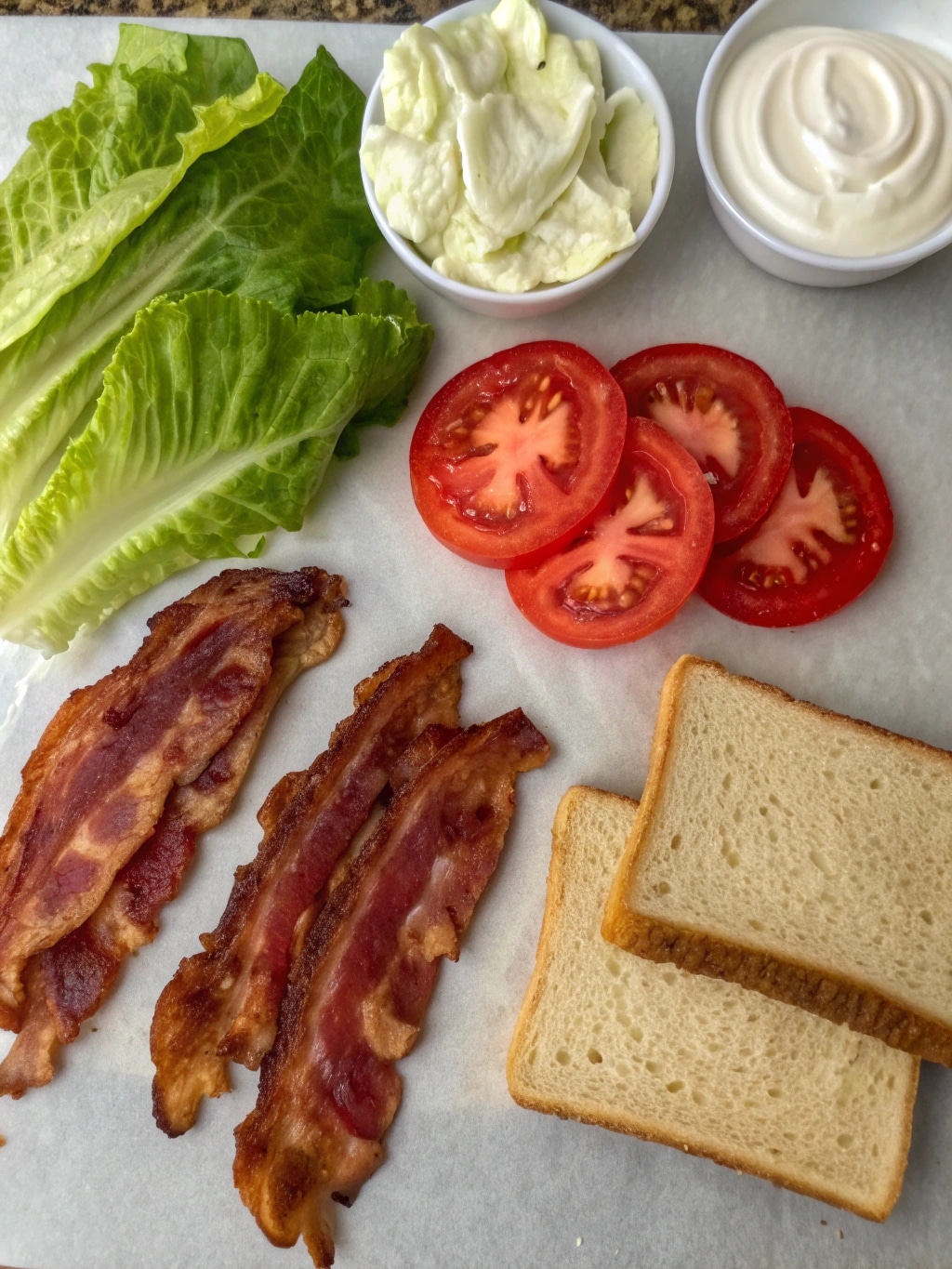
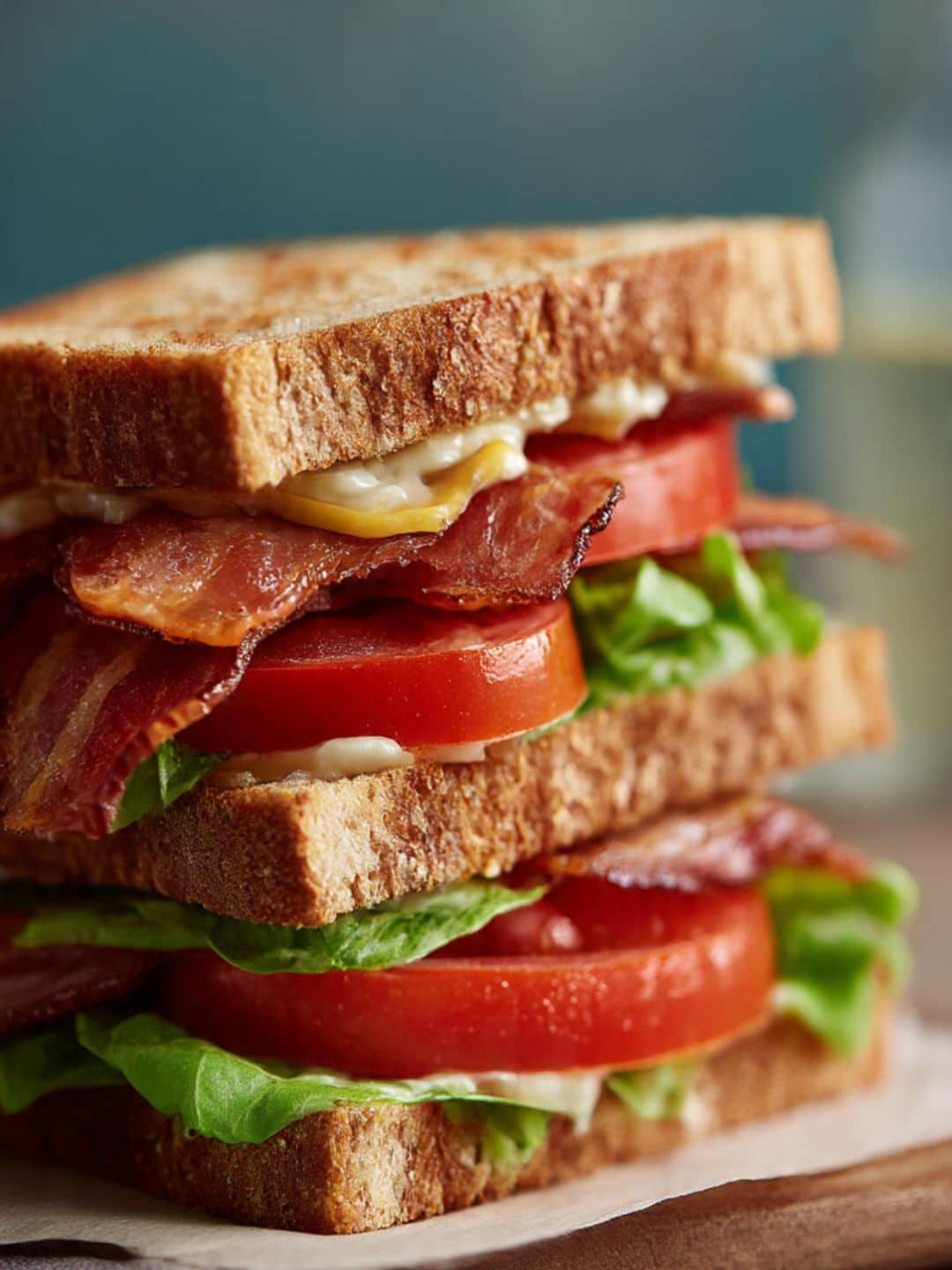
At its heart, the BLT is about balance. Crunchy lettuce. Salty, crisp bacon. Juicy tomato. Soft, toasted bread. A little swipe of mayo to pull it all together.
But the deeper story? It’s about simplicity winning over trends.
In an age of gourmet ingredients and food fads, the BLT sandwich origin reminds us that a few quality ingredients, stacked right, are enough to create something unforgettable. That’s why you still see BLTs everywhere from greasy spoon diners to high-end cafés adding twists like aioli or arugula.
And let’s be real no one says, “I don’t like BLTs.” At worst, someone might say they don’t crave one. But give them a good one? Watch their eyes light up.
How Many Types of BLT Sandwiches Exist Today?
It might surprise you to learn that the BLT sandwich origin has sparked dozens of variations over the decades. Some stay close to the classic. Others get creative. But every version nods back to that original, no-frills combo that made the BLT a legend.
Here are a few popular spinoffs that carry the DNA of the original BLT:
| BLT Type | What’s Added |
|---|---|
| California BLT | Avocado, sometimes sprouts |
| BLT with Egg | Fried egg for a brunch-style twist |
| Turkey BLT | Adds sliced turkey, turns it into a heartier club-style sandwich |
| Spicy BLT | Jalapeños or spicy mayo |
| Vegetarian BLT | Uses tempeh or eggplant bacon |
Even with all these versions, the BLT sandwich origin remains the flavor foundation. No matter how wild the toppings, the core bacon, lettuce, tomato still shines through.
Where Is the BLT Sandwich Most Popular Today?
If you’re wondering where did the BLT originate, the short answer is somewhere between England and early American diners. But when we ask where it’s most popular now, the answer is clear: across the entire United States.
From New York delis to Southern cafés to West Coast brunch spots, the BLT is everywhere.
In fact, cities like San Francisco, Chicago, and Portland have each claimed to offer the “most popular BLT sandwiches” in their region often featuring heirloom tomatoes, artisan bacon, or homemade bread.
But even in small towns and roadside diners, you’ll still find the good ol’ classic. Because sometimes, the best BLT is the one made at home, with love, on a Saturday afternoon.
I personally like mine with a side of lemon butter garlic shrimp pasta it’s an unexpected pairing that works, trust me.
What’s the Cultural Meaning Behind the BLT?
The BLT sandwich origin may seem like a food history footnote, but it actually reflects a lot about American life:
- It’s efficient. That’s classic American lunch logic.
- It’s customizable. Our culture loves options.
- It’s nostalgic. We grew up on it and we pass it on.
The BLT is more than just a meal. It’s a memory maker.
Ask anyone when they had their first real BLT, and they’ll likely pause and smile. For me, it was in my cramped kitchen, with my baby daughter chewing on a crust while I wiped tomato juice off the counter.
For someone else, it might be at summer camp, or at Grandpa’s house, or in a college dorm kitchen at 2 AM.
That’s the true beauty of the BLT sandwich origin it’s rooted in both history and heart.
Why Are BLTs Called BLTs?
Where Did the Name BLT Come From?
If you’ve ever wondered why it’s called a BLT, you’re not alone. The abbreviation might seem obvious now, but the BLT sandwich origin has a much longer trail than just three catchy letters.
Here’s the featured snippet–friendly answer:
The term “BLT” began appearing in American diner slang in the 1940s and 50s as shorthand for bacon, lettuce, and tomato. It became standard as sandwich culture grew and menus got faster.
But that’s only part of the story.
The BLT sandwich origin itself dates back to the early 1900s, but back then, it wasn’t abbreviated. People just ordered a bacon, lettuce, and tomato sandwich the long way. As diners and lunch counters expanded after World War II, cooks needed quicker ways to communicate with line staff. And customers? They were in a rush.
So came the wave of lunch lingo.
- PB&J
- Club
- Grilled cheese
- And yes BLT
It wasn’t just catchy it was efficient. The abbreviation “BLT” began appearing on menus, sandwich boards, and even in early cookbooks. By the 1960s, it was as American as a red velvet poke cake.
What once was a humble bacon sandwich suddenly had a brand.
How Did the BLT Sandwich Origin Influence Other Food Names?
The rise of the BLT sandwich origin didn’t just change how we ate it changed how we talked about food.
Think about it:
- Tuna melt
- Egg salad
- Turkey club
- Even Matthew McConaughey’s famous tuna salad
All followed the same pattern: short, clear names that told you what you were getting no guesswork, no fluff. The BLT sandwich origin helped launch this entire way of labeling lunch.
It also inspired sandwich spin-offs and regional varieties that kept the idea fresh while holding onto its roots. And nearly every new variation still starts with the word “BLT.”
Even now, you’ll see menus list:
- BLT Avocado
- BLT Club
- Spicy BLT
- Ultimate BLT
The keyword “BLT” acts like a culinary anchor a signal of comfort, crunch, and craveability.
Real-Life Review: “The BLT Got My Son to Eat Vegetables!”
From one mom to another this email from a Cheflora reader made my week:
“Lora, I just wanted to say thank you. I made your BLT tweaks from the newsletter extra crispy bacon and toasted sourdough and for the first time ever, my 6-year-old ate tomatoes without complaining. He said, ‘It tastes like crunchy pizza!’ You’ve made this tired mama very happy.”
Jen B., Michigan
That, my friend, is the power of the BLT sandwich origin. It’s not just about where the sandwich came from it’s about how it keeps winning hearts (and picky eaters) even today.
If you want to round out your own picky-eater menu, pair your BLT with this cheesy classic: Cracker Barrel macaroni and cheese. It never fails.
Did the BLT Ever Go Out of Style?
Not really. In fact, the BLT sandwich origin has been one of the few constants in American food trends.
Sure, we’ve seen kale crazes, avocado everything, and even gluten-free cloud bread phases. But through it all? The BLT held its ground.
It quietly adapts:
- Swap the bread for a wrap? Still a BLT.
- Use turkey bacon? Still counts.
- Add an egg and call it brunch? You guessed it: Still rooted in the BLT sandwich origin.
It’s proof that good flavor combinations don’t fade they just evolve.
Where Was the BLT Invented?
Where Did the BLT Sandwich Origin Begin—America or England?
Here’s the quick takeaway:
The BLT sandwich origin is rooted in both English tea sandwiches and early 20th-century American diner culture. While its precise birthplace is debated, the BLT as we know it today is undeniably American.
So, who invented the BLT sandwich?
Let’s just say it’s complicated.
Many food historians agree that the BLT sandwich origin starts with the bacon sandwiches popular during the Victorian era in England. These were typically thin, crustless finger sandwiches served with tea. They sometimes included lettuce or tomato, depending on what was in season.
However, it wasn’t until the early 1900s, especially in the post-war United States, that the BLT truly came into its own. That’s when all three ingredients bacon, lettuce, and tomato became affordable, accessible, and refrigerator-stable for the average household.
So while England may have inspired the concept, the BLT sandwich origin as a named, layered, and beloved American icon? That’s pure U.S.A.
What Helped Shape the American BLT Sandwich Origin?
Several factors helped cement the BLT sandwich origin in American history:
| Factor | Role in BLT Sandwich Origin |
|---|---|
| Refrigeration | Kept lettuce and tomato fresh longer |
| Sliced sandwich bread | Became widely available and cheap |
| Post-WWII bacon boom | Bacon became more affordable and desirable |
| Rise of diners | Quick, customizable sandwiches were in high demand |
| Women in the workforce | Needed fast, filling meals to make at home |
All of these elements combined to create a perfect environment for the BLT sandwich origin to take hold and stay put.
The 1950s were especially important. That’s when bacon marketing campaigns ramped up, tomatoes became a year-round staple thanks to hothouses, and iceberg lettuce became the American default.
Add mayo and toast, and you had a sandwich that felt fresh, modern, and utterly satisfying. The kind you could pack for a lunch break, whip up for a weeknight dinner, or order at your favorite greasy spoon.
If you’re wondering when did the BLT start becoming a household name, the 1950s is your decade.
What Makes the BLT a “Cultural Sandwich”?
The BLT sandwich origin is so much more than just where it started. It’s about what it represents.
Think about it:
- It’s adaptable across regions and tastes.
- It uses everyday ingredients that almost every household has.
- It’s both humble and celebrated found in lunch boxes and Michelin-rated cafés.
That’s why the BLT sandwich origin feels deeply American. It’s about making the most of what you have, using ingredients wisely, and creating something that feeds more than just your hunger.
Plus, it’s fun to make. Kids can help spread mayo, stack bacon, or even press the sandwich on a panini grill. It’s an experience just like cooking this easy shakshuka recipe or prepping poke cake for a birthday.
Are There Any Other Countries That Claimed the BLT?
While the BLT sandwich origin is often associated with the U.S. and England, its influence has gone global.
- In Japan, you’ll find “BLT toast” sold in bakeries with the bread cut thick and the bacon grilled crisp.
- In Australia, the BLT is often served on Turkish bread or with beetroot added (yep, beetroot!).
- In Canada, peameal bacon sometimes replaces traditional pork belly bacon for a leaner bite.
But even with these twists, the BLT sandwich origin remains the same bacon, lettuce, and tomato stacked between slices of bread, honoring a tradition that’s simple, satisfying, and endlessly adaptable.
What Does the BLT Sandwich Mean in Modern Food Culture?
How Does the BLT Sandwich Origin Fit in Today’s World of Food Trends?
In a world obsessed with avocado toast, kale smoothies, and protein-packed grain bowls, you might wonder does the BLT sandwich origin still matter?
The answer is a definite yes.
The BLT sandwich origin represents a moment in food history when flavor, simplicity, and convenience collided perfectly. And today, those values are still just as relevant—especially for busy families, budget cooks, and sandwich lovers looking for something honest and satisfying.
Let’s be real: the BLT is timeless. You don’t need a sous-chef, a spiralizer, or imported ingredients to enjoy one. And when made right, it checks every box:
- Crunchy from the lettuce and bacon
- Juicy from ripe tomatoes
- Savory and salty from crisp bacon
- Comforting thanks to warm toast and a swipe of mayo
In fact, many chefs today are going back to basics, showcasing elevated takes on classic sandwiches. And what’s always on the list? The BLT.
Some add garlic aioli, heirloom tomatoes, or arugula. Others toss in pickled onions or swap in maple-glazed bacon. But all of them build on the foundation set by the BLT sandwich origin: a perfect balance of ingredients that just work.
How Do You Make the Ultimate BLT at Home?
Here’s where the BLT sandwich origin meets your modern kitchen. Want to make a truly unforgettable BLT without getting fancy?
Use this formula:
| Component | Pro Tip |
|---|---|
| Bacon | Cook in the oven for extra crispness |
| Lettuce | Go for romaine or butter lettuce for crunch |
| Tomato | Slice thick, and use vine-ripened or heirloom |
| Bread | Sourdough, Texas toast, or soft white—just toast it |
| Mayo | Mix in a little lemon or Dijon for a flavor upgrade |
You don’t need extras but if you want to make it special, pair it with a nostalgic side like grilled cheese bites or even lemon butter garlic shrimp pasta for a quirky surf-and-sandwich vibe.
Whether you’re making lunch for picky eaters or hosting weekend guests, leaning into the BLT sandwich origin gives you a reliable, delicious foundation that never disappoints.
Can the BLT Survive the Plant-Based Trend?
You bet. The beauty of the BLT sandwich origin is that it’s not limited it’s adaptable.
Today’s BLT variants include:
- Vegan BLTs using tempeh or eggplant bacon
- Paleo BLTs with lettuce wraps instead of bread
- Keto BLTs using almond-flour bread or even cheese crisps
The core idea of the BLT sandwich origin a layered, balanced flavor experience still applies. And that’s why it continues to thrive, no matter the diet trend of the moment.
Plus, a homemade vegan BLT paired with a veggie-packed recipe like shakshuka is both trendy and deeply rooted in culinary tradition.
Why the BLT Is Still the Hero of the Lunch Table
The BLT may have started as a simple, post-war sandwich, but today? It’s iconic.
The BLT sandwich origin has proven that flavor doesn’t need to be complicated to be memorable. It speaks to something deep in us a craving for familiarity, comfort, and something just plain good.
We don’t always need deconstructed meals or Instagrammable bites. Sometimes, we just want a sandwich that makes us smile at first bite. And that’s the magic of the BLT.
A Final Story: The First Sandwich My Kids Could Make
I’ll never forget the day I watched my son, who had just turned 10, make his very first sandwich completely on his own. It was a BLT. He even toasted the bread just the way I do. As he sat down at the table with his masterpiece, he grinned and said, “This is kinda fancy.”
And you know what? He was right.
That’s the magic of the BLT sandwich origin. It’s easy enough for a child to make, yet good enough to make you feel proud serving it to anyone.
If that’s not timeless, I don’t know what is.
FAQ: BLT Sandwich Origin – Your Questions Answered
When did BLT become a popular sandwich?
The BLT became widely popular in the United States after World War II, during the 1950s. As bacon became more affordable and refrigeration more common, the BLT emerged as a go-to sandwich in diners and households across America.
Where did the BLT come from?
The BLT sandwich origin is traced to England, where bacon sandwiches were common during Victorian tea service. However, the modern BLT with bacon, lettuce, tomato, and mayonnaise on toast was popularized in mid-20th-century America.
Is BLT a good sandwich?
Yes, the BLT is beloved for its simplicity and balance. The crisp bacon, fresh lettuce, juicy tomato, and soft toasted bread create a satisfying flavor and texture combination that remains a classic.
How did the BLT change American food culture?
The BLT helped shape post-war American lunch culture by offering a fast, affordable, and flavorful option. Its abbreviation also influenced how we label and order sandwiches today.
Why are BLTs called BLT?
BLT stands for bacon, lettuce, and tomato. The abbreviation gained popularity in the 1940s and 50s as a quick way for diners and cooks to communicate sandwich orders efficiently.
Where did the name BLT come from?
The name “BLT” emerged as American diner slang in the mid-20th century. It quickly became standard due to its convenience, appearing on menus, in cookbooks, and across pop culture.
Conclusion: A Sandwich That Stands the Test of Time
The BLT sandwich origin is a story of transformation from delicate English tea sandwiches to all-American diner staples to today’s café classics.
But more than that, it’s a story of how something so simple can mean so much. It’s the sandwich we turn to when we’re short on time, hungry for comfort, or teaching our kids how to make something from scratch.
So next time you bite into a BLT, know this: you’re not just having lunch. You’re taking part in a tradition that spans decades, cultures, and kitchens just like mine.